

The Ultimate Guide to Creating an Effective Exercise Cycle for Home
In the fast-paced world of today, keeping a healthy way of life has actually ended up being more crucial than ever. For many, the appeal of a home health club setup is alluring, using the convenience needed to fit workouts into hectic schedules. Amongst the different exercise equipment available, a stationary exercise bike stands out as a versatile and reliable tool for home fitness. This short article looks into the advantages of utilizing an exercise bike in your home, how to select the right one, and provides an in-depth guide to producing a well-rounded exercise cycle routine that can be easily integrated into life.
The Benefits of Home Cycling
Biking in the house deals many benefits over traditional fitness center setups or outside biking. Here are some essential benefits:
Convenience: No need to take a trip to a gym, conserving energy and time.
Weather Independence: Exercise no matter outdoor conditions.
Versatility: Customize your exercise to fit your schedule and physical fitness objectives.
Low Impact: Gentle on joints, making it appropriate for any ages and physical fitness levels.
Cardiovascular Benefits: Improve heart health and increase endurance.
Mental Health: Reduces tension and enhances state of mind through routine physical activity.
Calorie Burning: Effective for weight loss and management.
Selecting the Right Exercise Bike
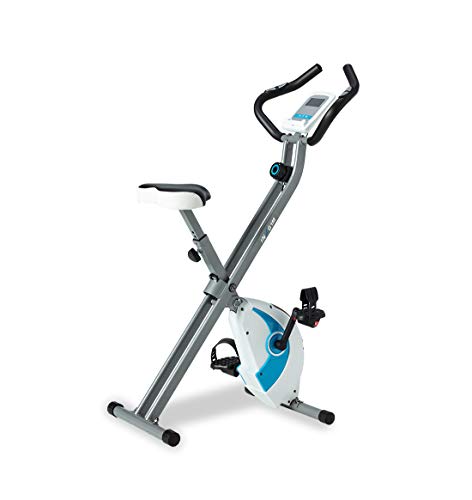
Selecting the proper stationary bicycle is vital to guarantee a comfortable and effective workout experience. Here are some elements to consider:
Type of Bike
Upright Bike: Resembles a standard road bike and provides a more extreme exercise.
Recumbent Bike: Provides back assistance and is ideal for those with back pain or movement issues.
Spin Bike: Designed for high-intensity interval training (HIIT) and offers a more dynamic workout.
Resistance Mechanism
Magnetic Resistance: Smooth and peaceful, allowing for accurate resistance changes.
Fricton Resistance: Less pricey however can be noisy and less accurate.
Air Resistance: Uses a fan to produce resistance, providing a natural cycling feel.
Adjustability
Seat and Handlebar: Ensure they can be adapted to fit your body easily.
Resistance Levels: Look for a bike with a vast array of resistance settings.
Additional Features
Heart Rate Monitor: Helps track physical fitness progress.
LCD Display: Provides exercise data like speed, range, and calories burned.
Integrated Workouts: Pre-programmed regimens for range and benefit.
Budget plan
Cost Range: Determine your budget and look for bikes that use the very best worth for your money.
Setting Up Your Home Gym
Developing a devoted space for your stationary bicycle can significantly improve your workout experience. Here are some suggestions:
Area
Peaceful Area: Choose a room where you can exercise without diversions.
Well-Ventilated: Ensure the area is well-ventilated to remain comfy during intense sessions.
Floor covering
Non-Slip Mats: Use non-slip mats to avoid the bike from moving and to protect the flooring.
Cushioning: Consider a cushioned mat to minimize joint effect.
Equipment
Bike Stand: For upright bikes, a stand can stabilize the bike.
Water Bottle Holder: Stay hydrated with a holder within easy reach.
Towel Rack: Keep a towel close by to clean away sweat.
Entertainment
Television or Tablet: Mount a screen to see workouts or home entertainment throughout your sessions.
Speakers: Connect a pair of speakers to enjoy music or podcasts.
Creating a Home Cycling Routine
A well-structured cycling routine can assist you accomplish your physical fitness objectives efficiently. Here's a detailed guide to producing a reliable home cycling exercise:
Warm-Up (5-10 minutes).
Low Resistance: Start with a mild ride to warm up your muscles.
Dynamic Stretches: Include leg swings, hip circles, and arm circles to increase flexibility.
Main Workout (20-60 minutes).
Steady-State Cycling: Maintain a moderate rate and resistance for a continual cardio workout.
Period Training: Alternate between high-intensity sprints and low-intensity recovery durations for a more difficult session.
Hill Climbs: Increase resistance to mimic riding uphill, interesting different muscle groups.
Resistance Training: Use the bike's resistance to build muscle strength, concentrating on leg and core muscles.
Cool off (5-10 minutes).
Low Resistance: Gradually reduce intensity to cool down your heart rate.
Static Stretches: Hold stretches for 15-30 seconds to improve versatility and reduce muscle discomfort.
Frequency and Duration.
Beginners: Aim for 2-3 sessions per week, each lasting 20-30 minutes.
Intermediate: Increase to 3-4 sessions weekly, 30-45 minutes per session.
Advanced: Aim for 4-5 sessions per week, 45-60 minutes per session.
Sample Home Cycling Workouts.
Here are 2 sample workouts to get you began:.
Beginner Steady-State Workout.
have a peek at these guys -Up: 5 minutes at low resistance.
Main Workout: 20 minutes at moderate resistance.
Cool off: 5 minutes at low resistance.
Overall Duration: 30 minutes.
Intermediate Interval Training Workout.
Warm-Up: 10 minutes at low resistance.
Main Workout: 30 minutes alternating 1 minute of high resistance with 2 minutes of low resistance.
Cool Down: 10 minutes at low resistance.
Total Duration: 50 minutes.
FAQs.
Q: Can I use an exercise bike if I have knee problems? A: Yes, biking is a low-impact activity that can be mild on the knees. Nevertheless, it's essential to adjust the seat and handlebars to ensure correct posture and alignment to avoid stress.
stationary bicycle exercise : How often should I clean my exercise bike? A: It's suggested to clean your stationary bicycle after each use to keep health and avoid rust. Utilize a wet fabric to clean down the seat, handlebars, and frame. For much deeper cleansing, refer to the producer's standards.
Q: Can I use a stationary bicycle for weight reduction? A: Absolutely! Cycling burns calories and can be a reliable part of a weight reduction strategy. Combine it with a balanced diet plan and other kinds of exercise for optimal results.
Q: Do I require special clothes to utilize a stationary bicycle? A: While not strictly necessary, using comfortable, moisture-wicking clothes can enhance your workout experience. Cycling shorts and a moisture-wicking top are good choices.
Q: Can I utilize my exercise bike for strength training? A: Yes, by utilizing higher resistance levels, you can engage your leg and core muscles, building strength and endurance. Include resistance training into your routine for a more comprehensive exercise.
Conclusion.
A stationary bicycle is an important addition to any home gym, using a variety of take advantage of benefit to low-impact workouts. By choosing the best bike, setting up a comfy area, and following a structured regimen, you can achieve your physical fitness objectives and preserve a healthy way of life from the convenience of your home. Whether you're a beginner or an innovative cyclist, there's a workout plan that can help you reach your objectives and take pleasure in the many benefits of home cycling.
Additional Tips.
Stay Motivated: Set possible goals and track your development.
Mix It Up: Vary your exercises to prevent plateaus and keep things fascinating.
Stay Safe: Always warm up and cool down to avoid injuries.
Speak with a Professional: If you have any health issues, speak with a fitness professional or doctor before beginning a new exercise routine.
By following these standards, you can create a satisfying and effective home cycling regimen that fits effortlessly into your every day life. Pleased cycling!